Vaxand theVirus

The cast

Meet the Immune Cells

Every character in the book is a real cell doing a real job. Here is who they are, and what they actually do inside you.

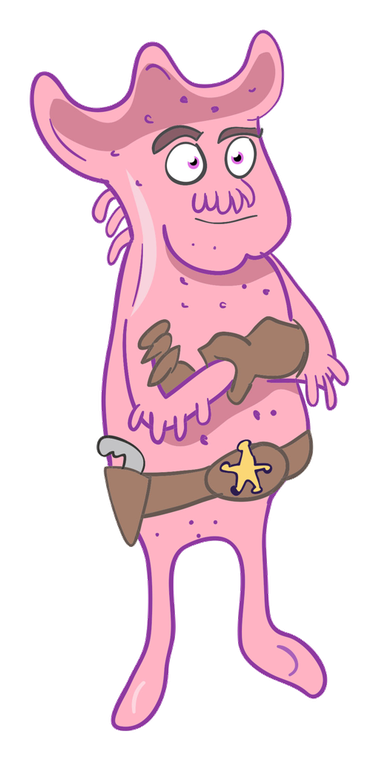
Manny Macrophage, a pink, blobby immune cell in a cowboy hat and sheriff’s badge
Manny in the book
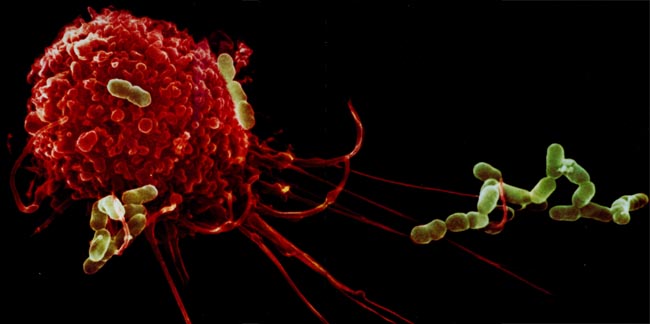
A macrophage seen under an electron microscope, engulfing bacteria
A real macrophage, seen under a microscope

Manny Macrophage

In Greek macro means big and phage means to eat, so macrophage literally means big eaters!

They are a special type of white blood cell responsible for gobbling up debris within the body. You can think of them as street cleaners or janitors for your insides. What do you think would happen if there weren’t a cell to clean up things that don’t belong in your blood? You’d probably get pretty sick!

Some of the junk that macrophages eat are parts of bacteria and viruses. These parts of bacteria and viruses are called antigens. When this happens the macrophages react by presenting the antigens on their cell surface to let other immune cells know they’ve run into a bad guy. This way all the other immune cells know what the antigens look like and can keep an eye out for them.

Nancy Neutrophil, a lavender immune cell with a lobed head, in a cowboy hat and sheriff’s badge
Nancy in the book
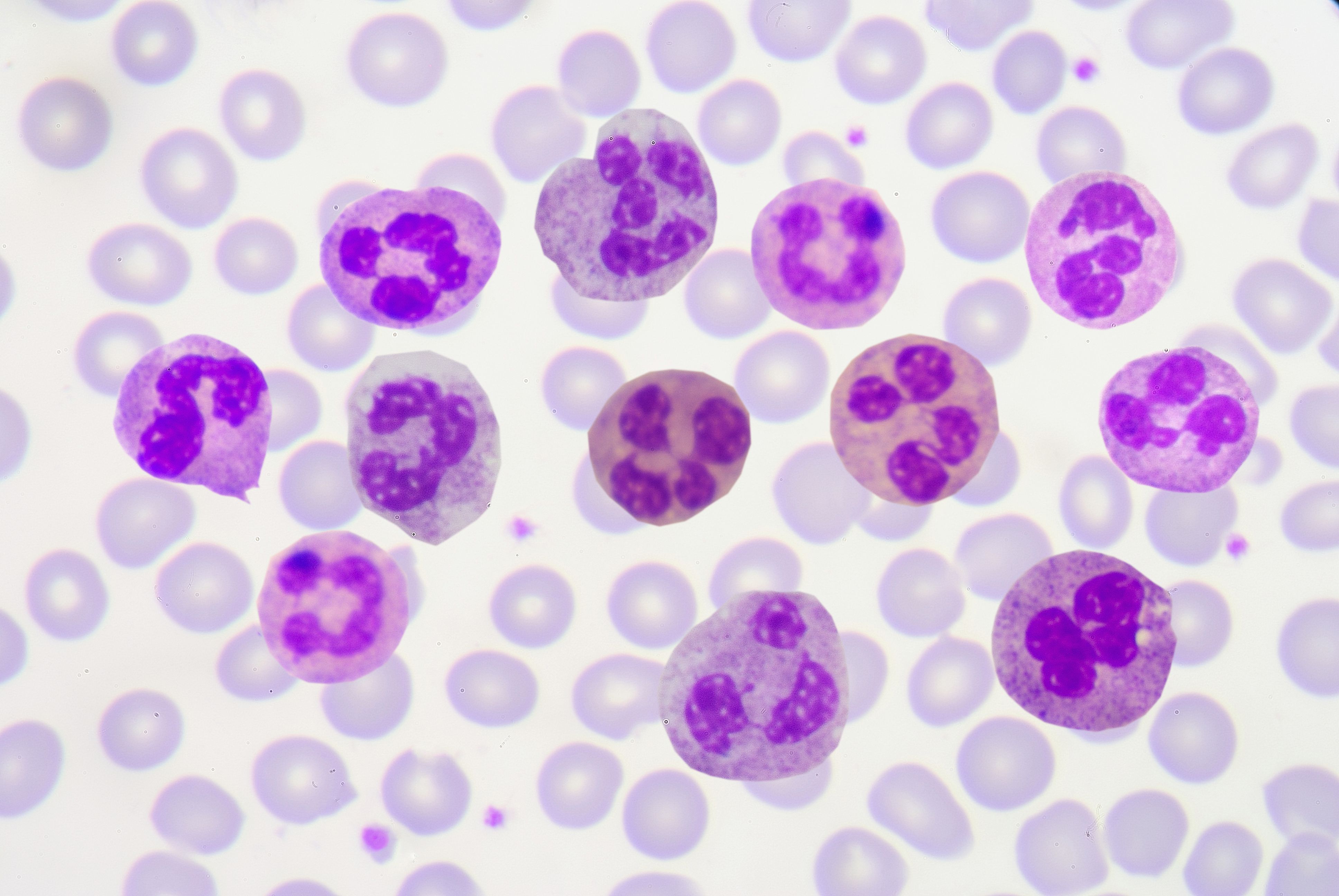
Neutrophils in a stained blood smear
Real neutrophils in a stained blood sample

Nancy Neutrophil

Neutrophils are the most common type of white blood cell found in your body.

When it comes to infections neutrophils are often some of the first responders to sites of damage, called inflammation, within the body. They are able to respond so quickly because they use a process called chemotaxis, where they sense certain chemicals released by damaged cells and travel towards the source. Kind of like when you smell cookies baking in the oven and run to the kitchen to ask if you may eat one.

When neutrophils arrive at the site of inflammation and encounter bad guys, specifically bacteria, they have a few different ways to deal with them:

  • Like macrophages, neutrophils can eat the bad guys.
  • Through a process called degranulation, neutrophils can release certain proteins that have antimicrobial properties — sort of like shooting the bacteria and viruses with a slingshot.
  • Neutrophils also have the awesome ability to release web-like structures that capture bad guys in a special kind of net.
Dexter Dendrite, a peach immune cell with antler-like branches, in a neckerchief and sheriff’s badge
Dexter in the book
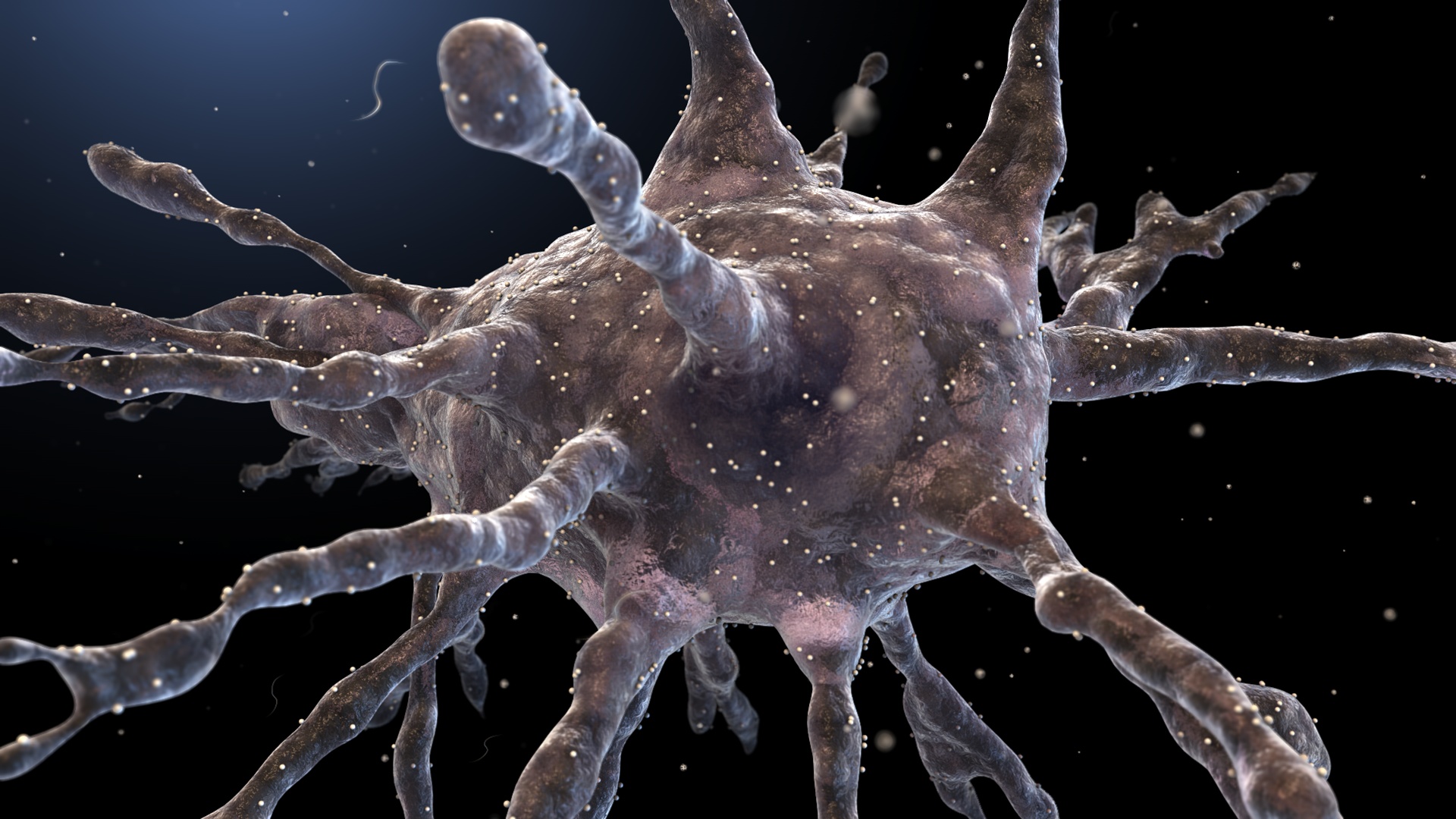
A dendritic cell showing its branching projections
A real dendritic cell, and its branches

Dexter Dendrite

Dendritic cells get their name from the Greek word dendron, meaning tree, because of their branch-like projections.

Dendritic cells can be found all over your body — in your nose, lungs, stomach, intestines, and skin! Like macrophages, dendritic cells play an important role in antigen presentation by displaying parts of bacteria and viruses on their cell surface.

When dendritic cells come in contact with antigens they get activated. Once activated, they are able to travel into your lymph nodes where they help turn on a bunch more immune cells to respond to the infection.

See them in action

Read the whole story, free, right here.